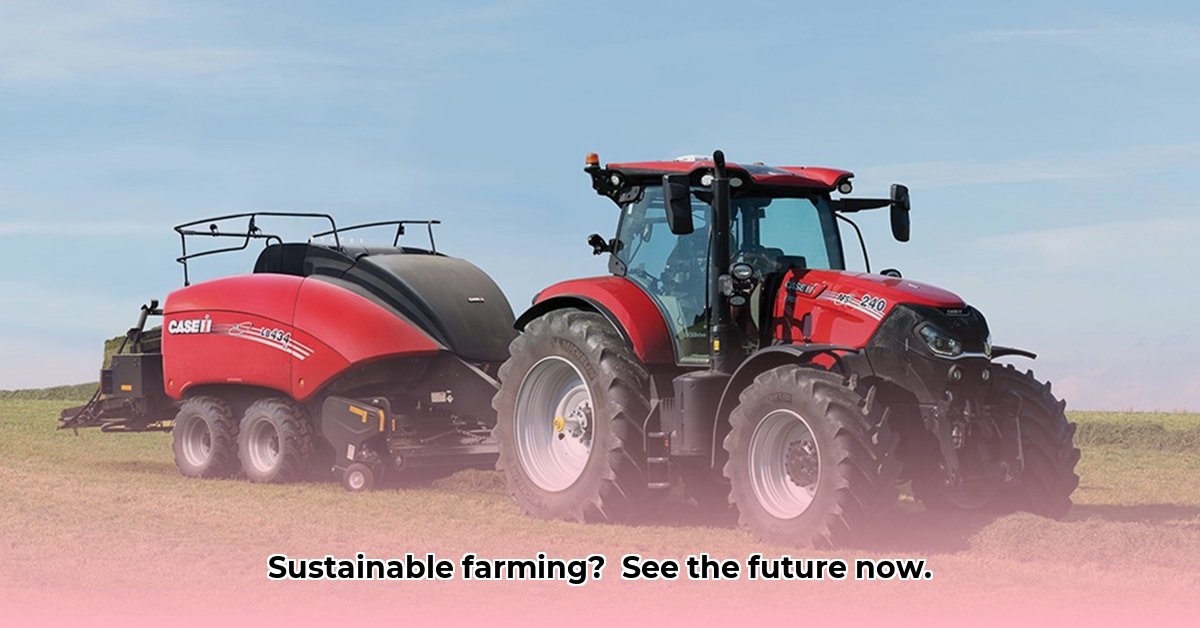
Farming's future hinges on sustainability. Farmers need equipment that maximizes efficiency while minimizing environmental impact. This article examines Case IH's tractor lineup, assessing its contribution to sustainable agriculture. We'll analyze fuel efficiency, emissions, precision farming technologies, and identify areas for improvement, offering actionable recommendations for Case IH, farmers, investors, and policymakers. For smaller scale operations, check out Case IH Garden Tractors.
Case IH's Tractor Lineup: An Overview
Case IH manufactures a diverse range of tractors catering to various farming needs. While specific model details require further research to fully quantify their sustainability contributions, many incorporate features designed to enhance efficiency and reduce environmental footprint. These features include advanced fuel-efficient engines, precision farming capabilities like GPS guidance and variable-rate technology, and – increasingly – automation and electrification. Understanding the complete picture requires a deeper dive into the specific fuel consumption and emissions data for each model. This data, currently lacking in public forums, is crucial for a comprehensive assessment. However, the general trend toward incorporating sustainability features is undeniable, showcasing Case IH's movement towards meeting the demands of the modern farming landscape.
Fuel Efficiency and Emissions: A Critical Analysis
Fuel efficiency is paramount for sustainable farming. Lower fuel consumption translates directly to reduced operating costs and significantly smaller carbon footprints. While Case IH designs its tractors with fuel efficiency in mind, readily available, detailed data on fuel consumption per acre and emissions comparisons with competitors (like John Deere and Mahindra) is scarce. This lack of transparency hinders a comprehensive evaluation of their environmental impact. Further investigation is needed to determine the effectiveness of their current approaches and to identify potential areas for improvement. Are they exploring alternative fuel sources like biodiesel or hydrogen? How are they actively managing their supply chains for maximum sustainability and minimum environmental impact? These aspects require greater disclosure.
Precision Farming Technology: Optimizing Resource Use
Precision farming technologies are vital for sustainable agriculture. These systems, including GPS-guided steering, variable-rate application of fertilizers and pesticides, and real-time data analysis, minimize waste and resource overuse. Case IH tractors incorporate many of these technologies, but again, specifics on their performance and integration are needed. How effectively do these systems work together? Do they provide farmers with actionable insights to make data-driven decisions? A deeper look into the user experience and the specific data provided by these systems is vital for understanding their long-term efficacy.
Case IH and Sustainable Agriculture: Opportunities and Challenges
The limited publicly available information about Case IH's sustainability initiatives presents both a challenge and an opportunity. The lack of transparency makes it difficult for farmers, investors, and the public to assess their environmental performance. This opacity risks hindering customer acquisition and investment.
However, this also presents a significant opportunity. By proactively disclosing detailed data on sustainability initiatives, Case IH can establish itself as a leader in environmentally responsible agricultural technology. This transparency can significantly enhance their brand reputation, attract environmentally conscious customers, and attract investors seeking sustainable investments – essentially reshaping their public image and investor outlook.
Actionable Recommendations: A Path Forward
To accelerate Case IH's progress towards sustainable agriculture, we offer the following recommendations:
Case IH Management: Publish comprehensive sustainability reports; conduct detailed lifecycle assessments of all tractor models; invest heavily in R&D for alternative fuels and improved precision farming technologies; launch a targeted marketing campaign highlighting sustainability achievements.
Farmers: Compare fuel consumption and emissions data across different tractor models; explore financing options for sustainable equipment upgrades; adopt precision farming techniques; investigate government incentive programs.
Investors: Demand greater transparency on environmental, social, and governance (ESG) performance; assess the long-term financial implications of sustainable farming practices; evaluate Case IH's market position within the sustainable agriculture sector.
Government Agencies: Create policies supporting sustainable agricultural machinery; fund research in innovative, eco-friendly technologies; offer incentives to farmers using sustainable practices and equipment.
Conclusion: Cultivating a Sustainable Future
The future of farming demands a sustainable approach. Case IH's tractors, with their inherent potential for fuel efficiency and precision agriculture, are positioned to play a crucial role. However, increased transparency and proactive communication regarding their sustainability efforts are essential. By embracing these recommendations, Case IH can further enhance its contribution to sustainable agriculture and establish its position as a leader in this rapidly growing sector. The time for action is now.